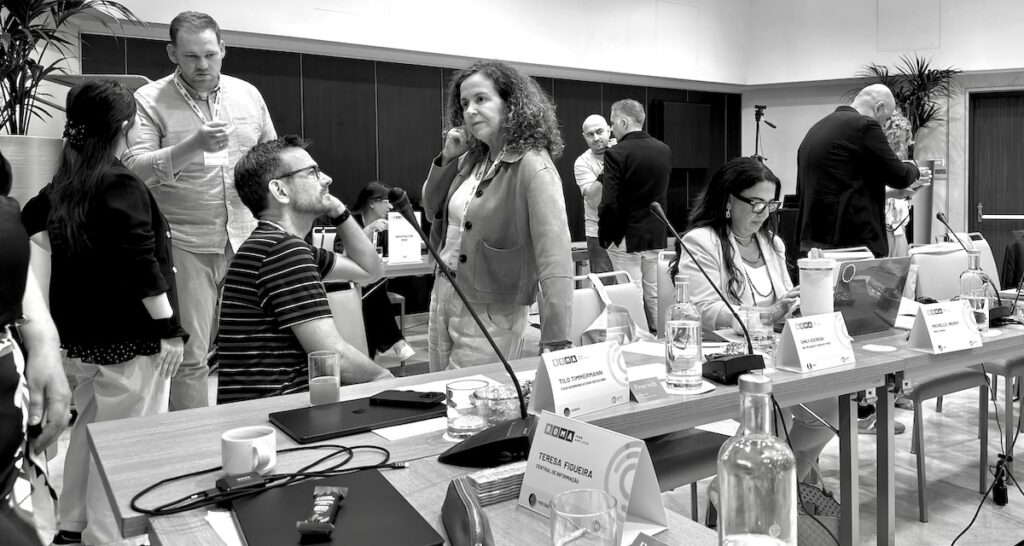

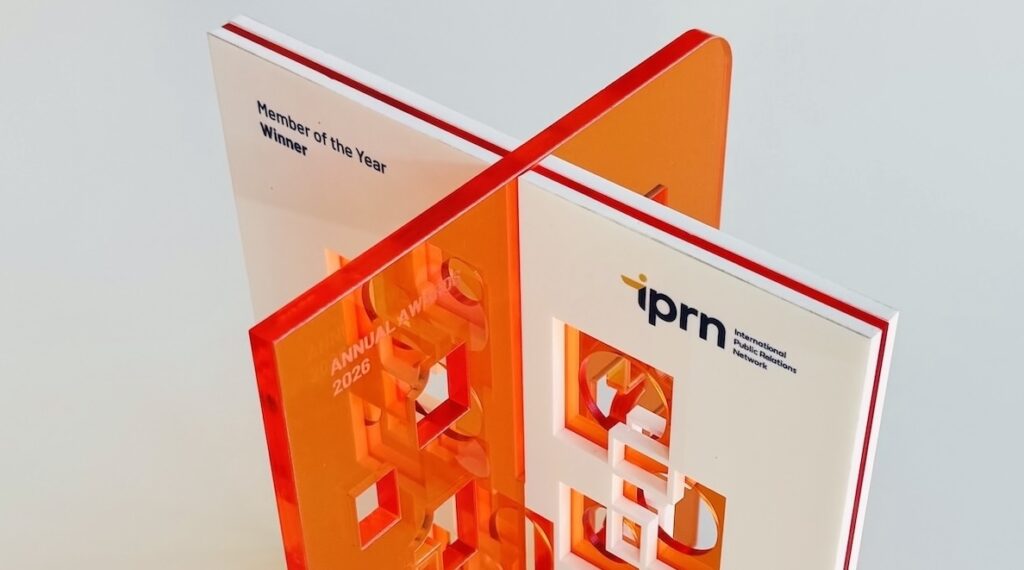
At the Annual General Meeting of the International Public Relations Network (IPRN) in Rome, TDUB was named “Member of the Year” on June 9, 2026. We are so delighted! However, we see this honor less as a single achievement and more as recognition for an approach we have been deliberately advancing over the past few months: how PR is evolving in the age of AI and what concrete added value agencies can derive for their clients from it. We are further developing our GEO retainer into the GEO cockpit, as a strategic management tool for actively shaping clients’ brands and products in LLM responses across all channels. We offer the GEO cockpit continuously as an additional option or within a PR retainer — comparing notes with the current state of development in our partner agencies sparked lively discussions. And so I return with plenty of new input. The good news: at IPRN we are always part of an active, committed, and highly professional network. That is especially helpful right now, as the world and thus the PR industry is in the midst of change.
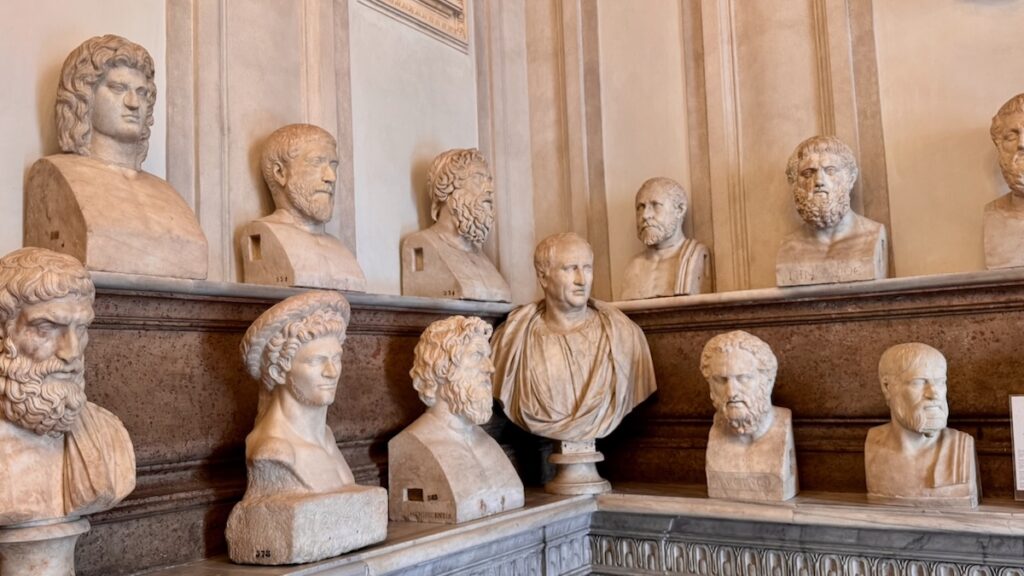
Smart minds in the “Eternal City”: The IPRN AGM in Rome
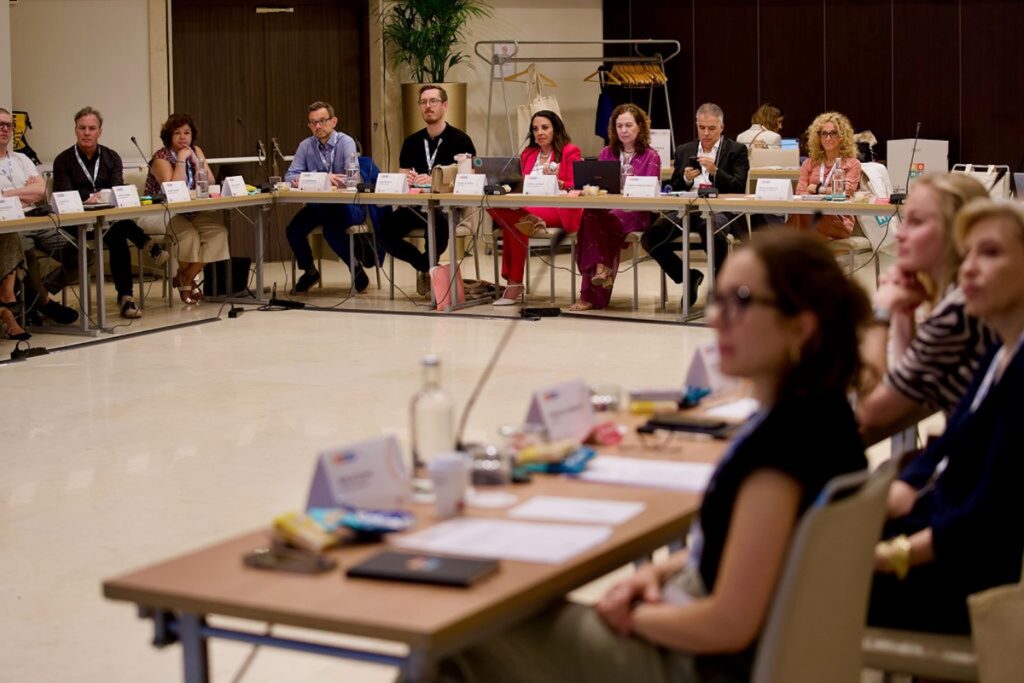
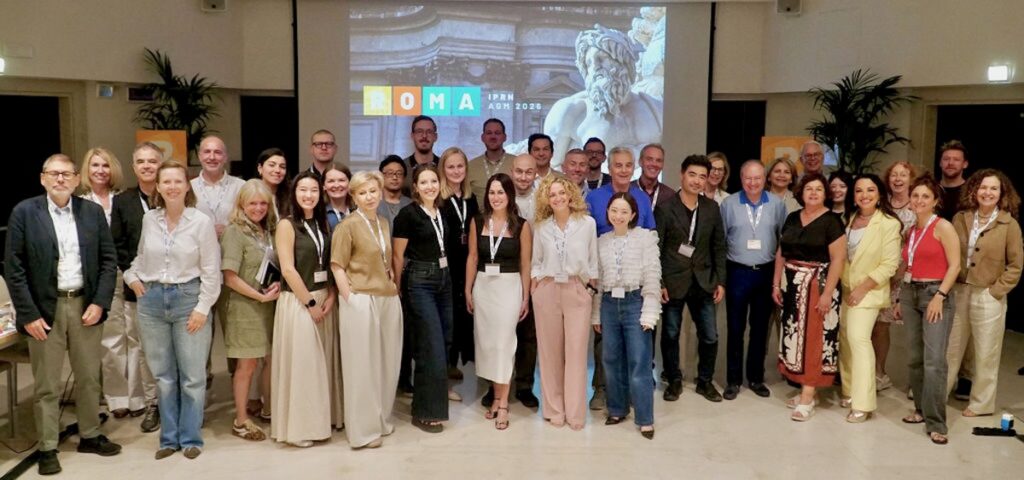
This year’s IPRN meeting brought together around 40 CEOs and communications leaders from more than 20 countries to discuss the future of PR, the influence of AI, and new forms of international collaboration.
Over four days, alongside the classic exchange of experience, the focus was on the question of how business models need to adapt — from talent development to new service offerings.
Personally, this meeting in the “Eternal City” was more than just an obligatory networking event for me: as a trained historian, Rome has the perfect backdrop for reflection and a change of perspective anyway. What mattered most were the conversations: open, critical, and very specific regarding the challenges agencies currently face.
Surprise at the awards
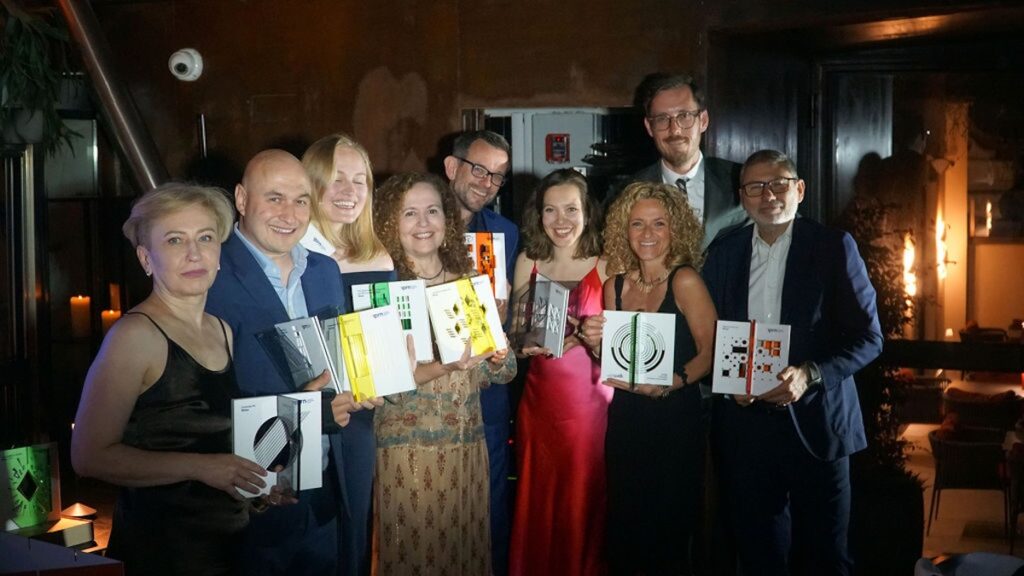
The event concluded with the presentation of the IPRN Awards, where campaigns, agencies, and individual contributions from the network are recognized. In this context, TDUB was named “Member of the Year 2026“.
The award truly came as a surprise to me, as so many agencies had made outstanding contributions to the development of the network. At the same time, I see it less as recognition of a single initiative and more as recognition of a certain mindset: the willingness to initiate topics early, share knowledge, and further develop new approaches together within the network.
Why we were recognized: Three key topics
In retrospect, three main substantive focuses can be identified that are likely to have made a significant contribution to the award:
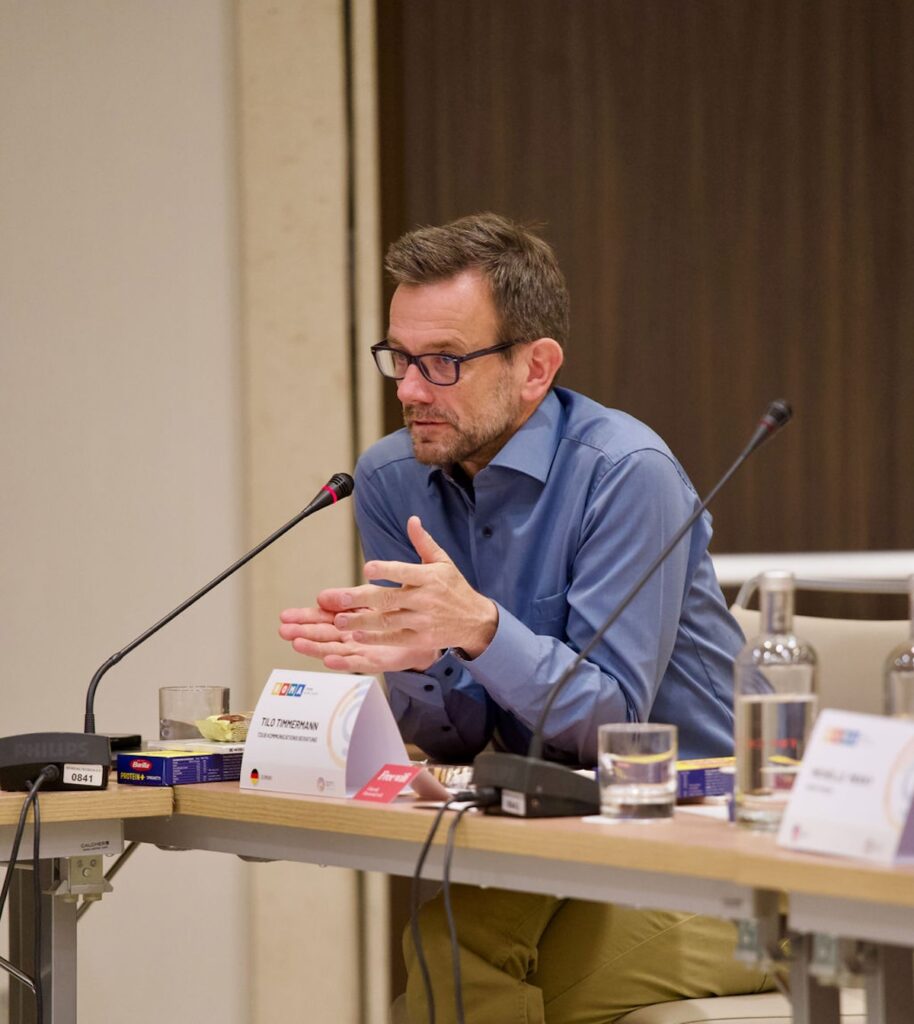
1. Rethinking business models in the age of AI
One key impulse was the question of how the range of services offered by PR agencies is changing through AI. Or more precisely: can be expanded.
As part of the IPRN Tech Group, together with partners such as Ambitious PR from Bristol, we showed that Generative Engine Optimization (GEO) is not an abstract topic of the future, but a concrete extension of classic PR work.
While many discussions around AI focus heavily on efficiency gains, the strategic lever from our perspective lies elsewhere: Thanks to GEO, PR agencies can take on a unique role in managing visibility in AI-generated environments because they bring together technical analysis, narrative, and media placement.
The current network study “IPRN Survey 2026” shows that agencies are indeed investing in AI and expecting growth, but there is still reluctance when it comes to strategic use. This is exactly where we come in: not defensive adaptation, but active expansion of the offering.
→ Report on the IPRN Survey 2026 in PR-Journal:
IPRN study: PR agencies expect growth and are investing in AI
2. Making international collaboration concrete
As Chair of the IPRN Tech Group, another focus for me was to structure collaboration within the network more strongly in terms of content.
In Rome, we not only exchanged ideas about trends, but also defined concrete next steps in a dedicated working lunch, with promising ideas on how we can advance joint business development at the next regular meeting. That may sound unspectacular, but it is crucial: the added value of international networks does not come from contacts alone, but from robust, shared offerings.
3. AI in practice: What already works today
A third building block was the very concrete presentation of applications that we at TDUB already use in day-to-day agency work.
As partners of the GEO analysis tool Otterly.ai, we were able to provide insights into how visibility in generative search systems can be measured and controlled, and how directly usable recommendations for clients can be derived from this.
The crucial point here is that, for us, AI is not an isolated innovation topic, but part of operational processes — from content development and process management to success measurement.
And what does that mean for our clients?
Awards in the PR industry have no value to me in and of themselves. What matters is not the trophy, but what it stands for.
For our clients, receiving the “Member of the Year” award means above all three things:
- Validated expertise: Our approaches to GEO, AI, and international PR work are not only developed internally, but sharpened through exchange with a global network.
- Expanded services: We are actively expanding our offering in line with market changes with concrete new services, rather than relying solely on promises of efficiency.
- Direct access to knowledge: We consciously share our experience early on as part of projects, but also gladly in an initial exchange with interested companies.
Especially in the area of visibility in AI-based systems, many companies are still at the beginning. Here, we see our role not only as a service provider, but also as a sparring partner.
Conclusion
For us, the “Member of the Year” award is less an endpoint than a confirmation of the path we have chosen: to think PR further, to build international networks, and to consistently align ourselves with the requirements of an AI-driven communications landscape.
Or put more simply: not to wait and see what changes, but to actively work on how new value can emerge from it.